


Kinship Care Yarn with Tahlia & Jaynaya
DID YOU KNOW..
Aboriginal and Torres Strait Islander children are around 6 to 10 times more likely to be in out-of-home care than non-Indigenous children in Australia.
Aboriginal and Torres Strait Islander children made up around 41% of children in out-of-home care in 2023–24, highlighting the importance of culturally safe support.
At Gunditjmara Aboriginal Cooperative respite carers play an important role in supporting children, young people, carers and families within community. Respite care provides short-term care in a safe, supportive and culturally respectful environment, giving primary carers time to rest to prevent burnout, attend appointments and manage family responsibilities.
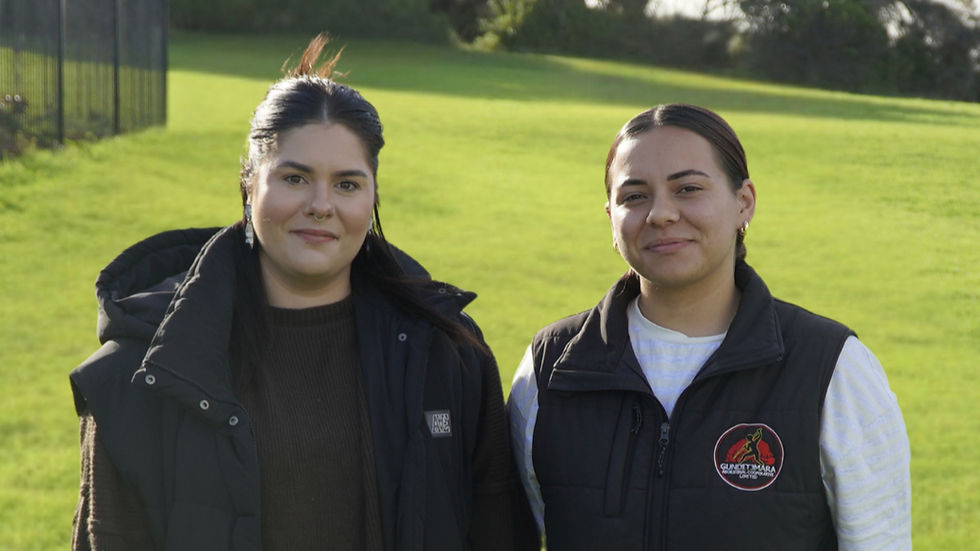
We sat down with Tahlia and Jaynaya, Kinship Care Case Managers at Gunditjmara Aboriginal Co-operative to talk about the importance of respite care and the difference respite carers can make for children, young people and families in community.
Q. As a Kinship Care case manager, why is respite care so important for carers and families? Jaynaya: Respite care is so important for carers and families to ensure they are given the right support to reduce the risk of burn out and help keep our kinship children connected in their communities. Allowing carers and families this break allows them to come back rejuvenated and ready to continue supporting our kinship children.
Tahlia: Supporting our Kinship Carers with respite care is crucial to keeping Aboriginal children in safe and stable placements. Respite care can often prevent burn out and provide our carers with a well-deserved break, from the wonderful job they do, day in, day out, keeping our Boorai's safe.
Q. What are some of the ways respite care positively impacts children, young people and families?
Jaynaya: Respite care positively impacts children, young people, and families by giving everyone a well-deserved break to then continue the amazing hard work they do. It also gives children and young people the stability and routine their young minds need. It gives children a second home and family they are comfortable with.
Tahlia: Respite care can provide children, young people and families with a much-needed break to recharge their batteries, which can promote physical/emotional wellbeing and long-term placement stability. Respite care can also assist with children’s social and emotional development and provide new opportunities and experiences.
Q. What would you say to someone who has thought about becoming a respite carer but feels unsure or nervous?
Jaynaya: Come have a chat and you’ll be surprised to see your nerves fade away and you’ll become more sure of your decision. You have nothing to lose if you give it a go! So come be a part of some positive memories that our kinship children cherish forever. You’ll never know how it would have went and never would have been able to support a child and their family / carer if you don’t give it a go. There is no harm in giving it a go.
Tahlia: Come and have a yarn to the Kinship team! We understand the huge role our Kinship and Respite carers play in our community and are always willing to support in any way we can.
Q. What is something you wish more people understood about the role respite carers play in supporting community and keeping Aboriginal children culturally connected and supported?
Jaynaya: Keeping Aboriginal children culturally connected within their communities through respite is so important. Having a regular respite carer helps build trust, stability and reduce trauma in the children’s lives. It also allows the child to experience new things and have cultural, social, emotional and wellbeing development. We need to come together as a community to help support our kinship children through these tough times.
Tahlia: It absolutely takes a village to raise a child. Respite carers are an asset to our community and play a huge role in sustaining stable placements for our children and young people.
Interested in becoming a respite carer or wanting to know more?
Give Kristy Wilkinson, Team Leader of the Kinship Care Program, a call on 0400 179 737 for a yarn about how you can help support local children and families.


Comments